 Welcome to Hitch-N-Ride
For many livestock owners, finding transportation for animals still works much the same way it did decades ago. Ask around. Call a neighbor. Dig through a list of phone numbers passed along at a sale barn or livestock show. And hope the hauler you’re trying to reach is available—and calls back.
Through years of involvement in livestock and youth agricultural programs like 4-H and FFA, I’ve seen firsthand how often families scramble to find a trailer and a driver when animals need to move across the state—or sometimes across the country. At the same time, the challenge exists on the other side as well. In a recent conversation with an independent livestock transporter, he described how much of his time is spent scrolling through social media groups, making cold calls and sending direct messages just trying to find available loads.
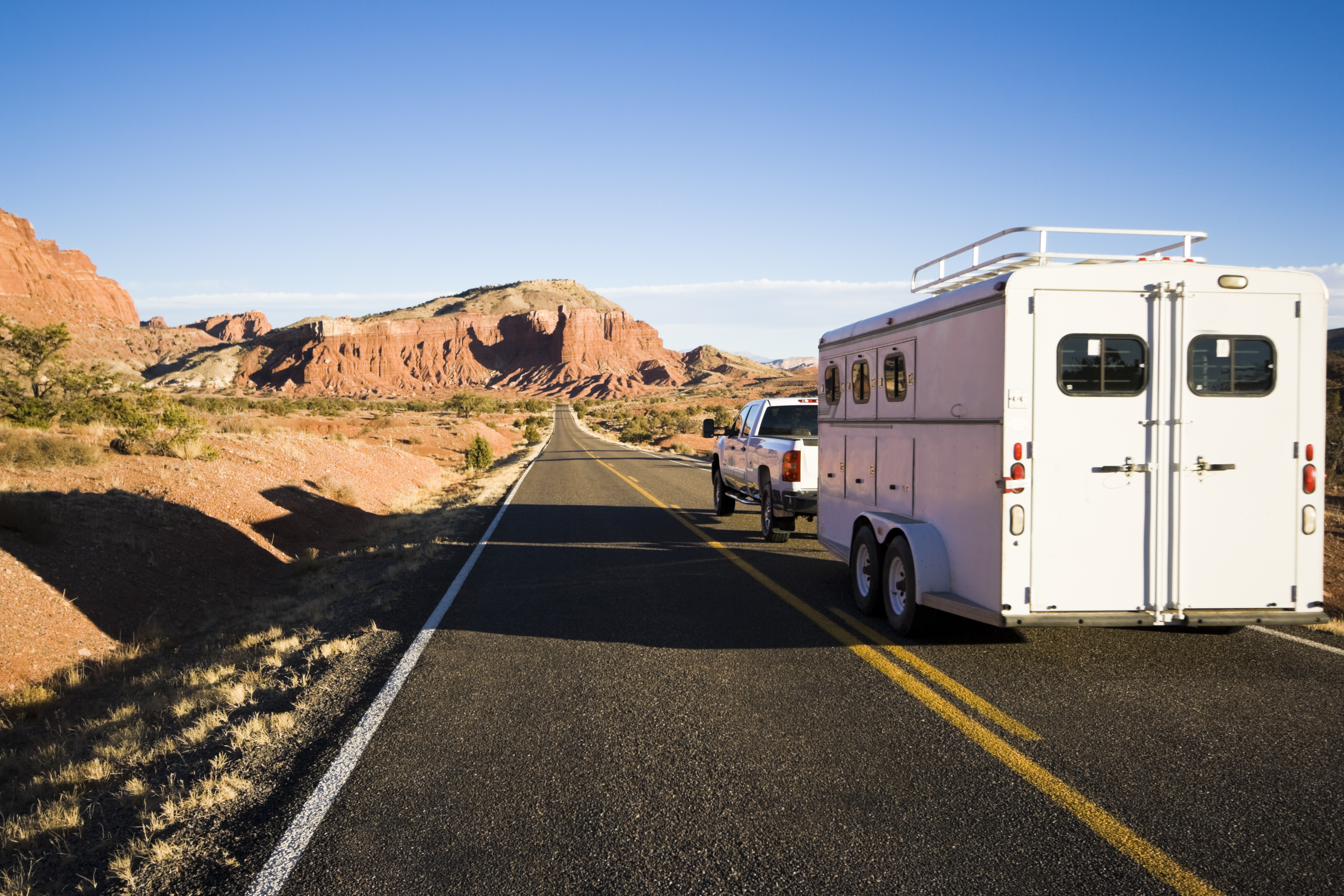
Many experienced transporters rely on scattered online posts or word-of-mouth referrals to locate work that fits their travel routes. The result is an inefficient system for both sides. Livestock owners struggle to find reliable transport when they need it, while transporters may drive long distances with empty space still available in their trailers simply because there is no centralized place to connect with potential customers.
Beyond simply locating a transporter, livestock owners also want confidence that the person hauling their animals will communicate clearly, keep their schedule and provide updates along the way. In an industry built on trust and reputation, having a transparent way for livestock owners to review and recommend experienced transporters could help strengthen those connections. While agriculture has embraced technology in many areas, livestock transportation remains one part of the industry that still relies heavily on word-of-mouth networks and scattered communication.

Anyone who has raised livestock understands the situation. A family needs to transport a show steer to a new owner across the state. A breeder sells registered sheep to a buyer several states away. A rancher needs cattle moved between seasonal pastures. In each case, the challenge is often the same: finding a reliable transporter with the right equipment who is headed in the right direction. Many livestock owners begin by asking neighbors, calling friends in the industry or searching social media groups. Sometimes that process works quickly. Other times it turns into a frustrating series of calls and messages trying to locate someone with space available in a trailer.
The issue isn’t limited to livestock owners. Independent livestock transporters often rely on repeat clients and referrals to keep their trailers full. Many experienced haulers operate small businesses and depend heavily on industry relationships to find loads that match their travel routes. However, without a centralized place to connect with livestock owners, drivers often spend time searching multiple platforms and groups for opportunities.
It is not uncommon for a transporter to drive hundreds or even thousands of miles with empty space still available in the trailer simply because there was no easy way to connect with additional customers along that route. In an industry where efficiency matters, that disconnect represents lost opportunity for both sides.
The scale of the livestock industry makes transportation an essential part of agriculture.
According to the USDA, millions of cattle, sheep, goats and horses are transported across state lines each year for breeding, production and sale purposes. Much of this movement depends on independent livestock transporters who operate specialized trailers and understand the care required when hauling animals. These drivers play an important role in maintaining animal welfare and ensuring livestock reach their destinations safely. Despite the importance of this work, the system used to connect livestock owners and transporters has changed very little over time.
The goal isn’t to replace the trusted relationships that have long defined the livestock industry. Instead, the opportunity lies in strengthening those relationships by making it easier for livestock owners and experienced transporters to find one another when needed. Better communication and improved visibility could allow transporters to locate loads that match their routes more easily, while livestock owners could find reliable transportation options with greater confidence.
In an industry built on reputation, having a centralized place where livestock owners can share their experiences and recommend dependable transporters could help reinforce the trust that agriculture has always relied upon. Agriculture continues to evolve as producers adopt new tools and technologies that improve efficiency and communication.